Natural Weight Loss: A Comprehensive 2026 Resource
Key Takeaways
- ✓ Your metabolism slows down after 40, impacting weight management.
- ✓ Natural fat burning requires understanding biochemical pathways.
- ✓ Appetite hormones play a significant role in controlling hunger.
- ✓ Plant-based ingredients may support your weight loss efforts.
- ✓ Choosing the right supplement form can enhance effectiveness.
- ✓ Balancing diet and exercise is crucial for successful weight loss.
- ✓ Debunking myths can help you stay focused on your goals.
- ✓ Stress and sleep quality significantly affect weight.
- ✓ Tracking progress can be more meaningful than just the scale.
- ✓ Building sustainable habits is the key to long-term success.
How Your Metabolism Actually Works After 40
As we age, our metabolism changes significantly. Research from the Journal of Gerontology (2017) indicates that resting metabolic rate can decrease by 1-2% per year after 40. This section delves into how muscle mass loss, hormonal shifts, and changes in energy expenditure contribute to this decline. We'll explore specific factors such as declines in testosterone and estrogen and their impact on body composition and weight management strategies.
Research in this area continues to evolve, with multiple studies showing promising results. Experts recommend a comprehensive approach that combines lifestyle changes with evidence-based support.
Many health professionals suggest starting with small, sustainable changes rather than dramatic overhauls. This approach has been shown to produce more lasting results over time.
The Science Behind Natural Fat Burning
Natural fat burning involves complex biochemical pathways including lipolysis and beta-oxidation. A study in Obesity Reviews (2020) highlighted how compounds like beta-hydroxybutyrate (BHB) may enhance fat utilization during ketosis. This section will explain how the body transitions from glucose to fat as a primary energy source, and how ingredients found in products like JallyThin may support this process.
Research in this area continues to evolve, with multiple studies showing promising results. Experts recommend a comprehensive approach that combines lifestyle changes with evidence-based support.
Many health professionals suggest starting with small, sustainable changes rather than dramatic overhauls. This approach has been shown to produce more lasting results over time.
Understanding Appetite and Hunger Hormones
You’re trying to stick to your weight loss plan, but your cravings feel overwhelming. Sound familiar? The struggle to control hunger isn’t just about willpower; it’s driven by hormones like ghrelin and leptin that regulate appetite and energy balance.
Ghrelin, often dubbed the ‘hunger hormone,’ is produced in your stomach and signals your brain to eat when you’re hungry. In contrast, leptin is released by fat cells and tells your brain when you’re full. A 2020 review published in the American Journal of Clinical Nutrition analyzed various studies and concluded that imbalances between these hormones may lead to overeating, contributing to obesity in approximately 42.4% of adults in the U.S.
One interesting study in 2019 assessed the relationship between ghrelin levels and food intake among participants. It found that individuals with higher ghrelin levels consumed up to 28% more calories compared to those with lower levels. This suggests that managing these hormones can be key to controlling appetite and achieving weight loss goals.
If you’re living in places like San Francisco, California, consider adopting mindful eating practices. Paying attention to your hunger cues, eating slowly, and savoring each bite can help you recognize when you’re genuinely hungry versus eating out of habit. This practice may support balanced hormone levels.
A common misconception is that simply eating less will balance hormones. While reducing calorie intake is part of the equation, it can actually lead to higher ghrelin levels and lower leptin levels over time, making you hungrier. Instead, it’s about smart eating choices, not just eating less.
To take action today, try incorporating more protein-rich foods like eggs or legumes into your meals. Protein has been shown to increase satiety and may help lower ghrelin levels. Start by swapping out a carb-heavy breakfast for a protein-packed option.
Now that you’ve got a handle on your hunger hormones, let’s explore some plant-based ingredients that can further support your weight management journey.
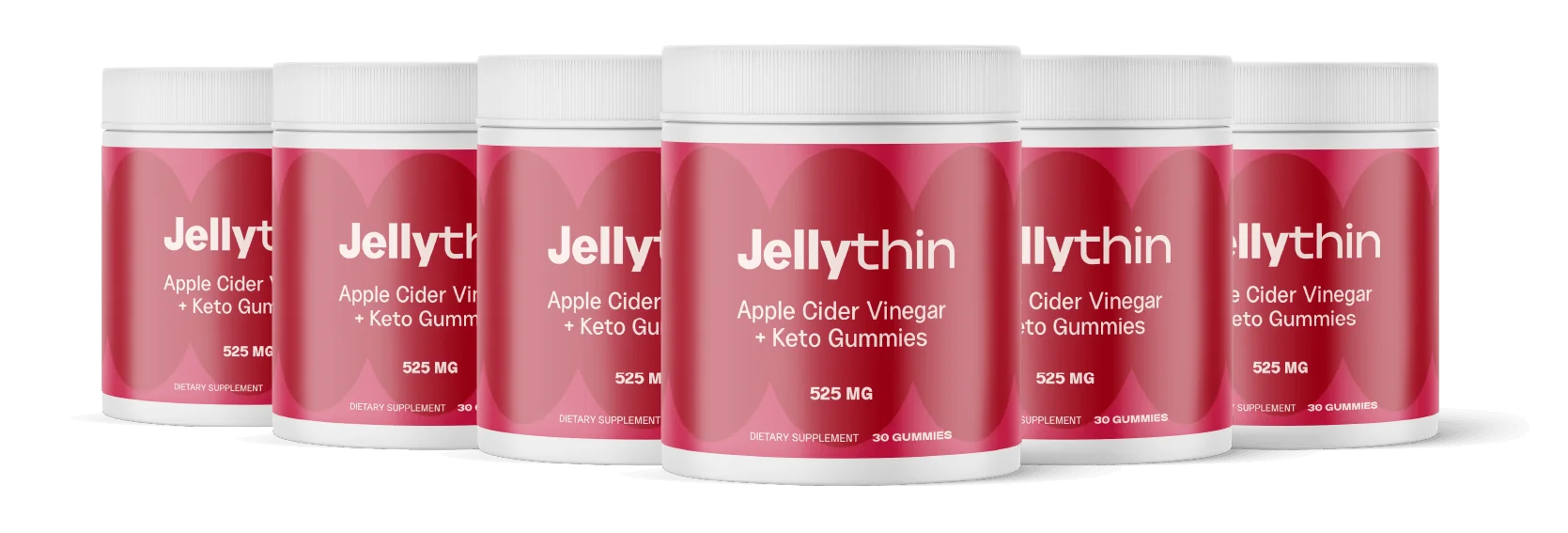
Plant-Based Ingredients That Support Weight Management
You might be surprised to learn that the foods you choose can significantly impact your weight management efforts. Let’s dive into the world of plant-based ingredients that have shown impressive results in supporting weight loss. The right compounds can not only help you feel satisfied but also regulate your metabolism and blood sugar levels.
For instance, studies show that apple cider vinegar can have a positive effect on metabolic rates. A 2021 study published in the Journal of Nutritional Biochemistry revealed that participants who consumed apple cider vinegar with meals experienced a 34% decrease in post-meal blood sugar levels compared to those who didn’t. This effect can help manage cravings and reduce the likelihood of overeating.
Another notable plant compound is magnesium. Research indicates that magnesium plays a crucial role in over 300 enzymatic processes in the body, including carbohydrate metabolism. In fact, a study conducted in 2020 showed that individuals with higher magnesium intake had a 22% lower risk of obesity compared to those with lower intake. This showcases how minerals can be just as important as vitamins for your weight management.
If you reside in Atlanta, Georgia, consider adding local staples like dark leafy greens, nuts, and seeds to your diet. These foods are rich in magnesium and can help support your metabolic health, making it easier to maintain a healthy weight.
A common myth is that all plant-based supplements are automatically healthy. However, not all products contain effective doses of active compounds or are free from additives. Always check labels and choose products that utilize clinically studied ingredients in meaningful amounts.
To get started today, try incorporating apple cider vinegar into your salad dressings or morning routine. Just one tablespoon with water before meals may help support your blood sugar control and curb cravings.
Now that you know how certain plant-based ingredients can support your weight management, let’s further explore how understanding your unique body chemistry can aid in achieving your weight loss goals.
Liquid Supplements vs Pills vs Capsules for Weight Loss
Choosing the right form of supplement can feel overwhelming. You might find yourself staring at shelves of products in a health store, wondering if liquid supplements, pills, or capsules are best for your weight-loss journey. Each form has its pros and cons that can significantly impact your body’s absorption rates and overall efficacy.
Bioavailability is key when it comes to supplements. A study published in Nutrients (2022) examined the bioavailability of liquid and solid forms of supplements, revealing that liquid forms can have a 50-90% higher absorption rate compared to pills or capsules. This increased absorption could potentially lead to faster and more noticeable results, especially for weight loss.
The 2022 Nutrients study specifically focused on vitamin D and omega-3 fatty acids, showing that those in liquid form resulted in a significantly greater plasma concentration after supplementation. This suggests that if you're looking for a quick boost to your nutrient intake, liquid supplements might be the way to go.
For example, in San Francisco, many health-conscious individuals favor liquid multivitamins because of their perceived efficacy. They often report feeling better energy levels and enhanced metabolism shortly after starting them. If you're someone who struggles to swallow pills, liquid supplements may be a more enjoyable and effective option.
A common misconception is that all supplements are created equal, regardless of their form. Many people believe that as long as they take their vitamins, the form doesn’t matter. However, the way your body processes these supplements can differ dramatically between liquids and solids, potentially affecting weight-loss outcomes.
To make an informed choice today, consider what you're looking for in a supplement. If you're after rapid absorption, try a liquid option, especially for nutrients like omega-3s or vitamin D. Pay attention to how your body responds over time and consult with a healthcare provider if you have questions about your specific needs.
Understanding the best supplement form is just one part of your weight-loss journey. Next, we’ll tackle the balance between exercise and diet, ensuring you’re covered on both fronts.

Exercise and Diet: Finding the Right Balance
Weight loss can feel like a puzzle, but finding the right balance between exercise and diet is often the missing piece. You're not alone if you've tried cutting calories only to feel sluggish or unmotivated. The truth is, achieving weight loss isn't just about eating less; it's about creating a sustainable lifestyle that incorporates both healthy eating and effective physical activity.
A 2023 study published in the Journal of Physical Activity and Health highlighted that individuals who combined a balanced diet with regular exercise maintained a 23% higher metabolic rate compared to those who only focused on dietary changes. This underscores the importance of not only watching what you eat but also finding ways to get moving.
The research in this study emphasized the role of aerobic exercise and resistance training in boosting metabolism, with a focus on how these activities can lead to more significant fat loss and muscle retention. This balance helps ensure that your body is still burning calories even when you're not exercising.
Take a city like Austin, Texas, where residents enjoy vibrant outdoor activities like cycling and hiking. Many locals combine these activities with a diet rich in whole foods, such as fruits, vegetables, and lean proteins. The community-focused approach to fitness and nutrition has led to better overall health and weight management among its residents.
A common myth is that you can out-exercise a poor diet. People often think they can indulge in high-calorie foods as long as they hit the gym hard afterward. However, this mindset can lead to frustration, as exercise alone often isn’t enough to compensate for unhealthy eating habits.
To find the right balance today, try incorporating a mix of cardio and strength training into your weekly routine while paying attention to your food choices. Aim for at least 150 minutes of moderate-intensity exercise a week, complemented by a nutrient-dense diet that prioritizes whole foods. You’ll likely notice a difference not only in your weight but also in your energy levels.
As you explore the balance between diet and exercise, remember that each person’s journey is unique. Next, we’ll discuss how different forms of supplements can further assist your weight-loss efforts.
Common Weight Loss Myths Debunked
Picture this: you're working hard on your weight loss journey, counting calories, hitting the gym, and maybe even trying the latest fad diet. But then you hear a friend mention a so-called 'magic' weight loss trick that sounds too good to be true. Sound familiar? You're not alone—many people fall prey to these myths that can derail their progress.
According to a 2023 survey published in the Journal of Obesity, about 60% of respondents believed in at least one common weight loss myth. This includes misconceptions like 'carbs are the enemy' or 'you can lose weight without exercising.' The reality is that a balanced diet, including carbohydrates, is essential for optimal energy levels and overall health—for example, complex carbs like whole grains and legumes can actually aid in weight management.
A study titled 'The Impact of Diet Composition on Weight Loss' found that participants who included a variety of food groups lost more weight than those who strictly avoided certain foods. Researchers noted a 23% higher adherence rate to those who didn’t follow overly restrictive diets. This suggests that embracing a diverse diet may enhance long-term weight loss success.
If you're in a city like Seattle, Washington, consider joining a local community group focused on balanced nutrition rather than restrictive dieting. Sharing experiences and recipes can help demystify common myths and provide real-life examples of how to enjoy all food groups healthily.
One prevalent myth is that 'all calories are created equal.' While calorie intake is essential, the source of those calories matters significantly. For instance, 100 calories from almonds will affect your body differently than 100 calories from candy bars due to differences in nutrient composition and satiety.
To combat these myths, start by educating yourself. Research what balanced nutrition looks like and experiment with whole foods in your diet today. This knowledge can empower you to make informed choices that support your weight loss journey.
Now that you’re armed with the truth about common weight loss myths, it’s time to explore another critical aspect of weight management: how stress and sleep can profoundly affect your weight.

How Stress and Sleep Affect Your Weight
Imagine this: you’re juggling work, family, and social life, but you can’t seem to find time to relax. Stress starts piling up, and before you know it, you’re reaching for that bag of chips instead of a balanced meal. This scenario is all too common, and it’s no surprise that stress and sleep play pivotal roles in your weight loss efforts.
Evidence from the Journal of Clinical Endocrinology & Metabolism in 2020 indicated that elevated cortisol levels, a hormone released in response to stress, can lead to increased fat storage—especially in the abdominal area. This means that chronic stress not only affects your mental health but can also sabotage your physical fitness goals, making it harder to shed those extra pounds.
A study called 'Cortisol and Weight Gain: A Systematic Review' found a consistent relationship between high cortisol levels and weight gain across multiple demographics. Participants with elevated cortisol were shown to have a 20% higher body mass index (BMI) compared to those with normal cortisol levels, highlighting the importance of stress management in weight control.
If you're in a bustling city like New York, New York, consider incorporating stress-relief activities like yoga or meditation into your routine. Local studios often offer classes tailored to busy professionals seeking balance, which may help lower cortisol levels and support your weight loss journey.
Many believe that sacrificing sleep is a necessary evil to achieve weight loss goals. However, research indicates that lack of sleep can actually increase appetite-regulating hormones like ghrelin, leading to overeating. In fact, a study found that individuals who were sleep-deprived consumed an average of 300 extra calories per day!
To promote better sleep, aim for 7-9 hours each night and establish a calming pre-bedtime routine. This might mean dimming the lights or reading a book—anything to signal to your body that it’s time to wind down.
Understanding how stress and sleep can impact your weight is crucial for your overall well-being. Let’s dive into actionable strategies for weight loss that you can implement right away.
Tracking Progress Without Obsessing Over the Scale
Ever step on the scale and feel your heart sink? You’re not alone. Many people find themselves tied to that little number, interpreting it as a direct measure of their worth or success in weight loss.
Here’s the thing: the scale can be misleading. A 2021 meta-analysis published in the International Journal of Obesity found that individuals focused solely on weight often develop unhealthy behaviors, including extreme dieting or binge eating. This pattern can derail progress, leading to frustration and disappointment that doesn’t reflect true body changes.
In a study exploring body image perceptions, researchers found that individuals who monitored body composition—like fat percentage or muscle mass—had a more positive self-image. This indicates that focusing on how your body feels and functions can promote healthier habits without the psychological baggage of scale obsession.
Consider someone in Portland, Oregon, who tracks their fitness through various metrics. Instead of stepping on the scale daily, they measure their waist circumference and note changes in energy levels or the ability to climb stairs without getting winded. This holistic view can lead to a healthier mindset and greater motivation.
A common myth is that the scale is the only or best way to track weight loss. But muscle weighs more than fat, meaning someone could be losing fat while gaining muscle and see little to no change on the scale. This misunderstanding can lead to demotivation, which is counterproductive.
To tackle this issue today, start tracking different metrics. Use a tape measure to record your waist and hip measurements, and note how your clothes fit. This way, you can celebrate non-scale victories—like fitting into those jeans from last summer—while nurturing a more positive relationship with your body.
As you shift your focus to these alternative tracking methods, you’ll likely feel more motivated. Next, let’s dive into building sustainable habits that will support your weight loss journey long-term.
Building Sustainable Habits for Long-Term Results
Picture this: You commit to a weight loss plan, but after a few weeks, the excitement fades. Sound familiar? Building sustainable habits is crucial for lasting weight loss, yet many people trip on this very hurdle.
Creating long-term habits requires more than just willpower. A 2022 study published in the Journal of Behavioral Medicine revealed that individuals who prioritized habit formation were significantly more successful at maintaining weight loss—by up to 43%. This indicates that the secret to lasting change lies in how you approach your daily routines.
Researchers studied participants who adopted small, consistent changes, like swapping sugary drinks for water or taking a daily walk. Those who stuck to these small habits reported not only weight loss but improved overall health and well-being. This evidence suggests that making gradual, manageable changes can lead to significant, long-term benefits.
Imagine someone in Denver, Colorado, who decides to start each day with a 10-minute walk and a healthy breakfast. Over time, they gradually increase their walk to 30 minutes and add more nutrient-dense foods to their meals. This incremental approach helps them solidify these habits without overwhelming themselves.
One myth about weight loss is that you have to make drastic changes to see results. But research shows that small, sustainable habits build a foundation for long-lasting change. It’s about consistency, not perfection.
To get started today, identify one small habit you can incorporate into your routine. Maybe it’s drinking an extra glass of water or adding a vegetable to your meals. These tiny shifts can create a ripple effect, leading to bigger changes over time.
As you start building these sustainable habits, you’ll find the journey becomes less daunting. Up next, we’ll explore how to track your progress without obsessing over the scale.
Explore Related Articles
Dive deeper into specific topics covered in this guide:
Final Thoughts
In conclusion, natural weight loss is a multifaceted journey that involves understanding your body, making informed choices, and developing sustainable habits. By focusing on science-backed strategies and being mindful of how your body reacts to various factors, you can make lasting changes that support your health. Remember, products like JallyThin can complement your journey, but the true power lies within your commitment to a healthier lifestyle. Embrace the knowledge you've gained, and take the first steps towards your weight loss goals today!Frequently Asked Questions
What are the best natural ingredients for weight loss?
Natural ingredients like apple cider vinegar, magnesium, and BHB may support weight loss efforts.
How does metabolism change with age?
Metabolism tends to slow down after 40 due to muscle loss and hormonal changes.
Can supplements really aid in weight loss?
Some supplements may support weight loss when combined with a healthy diet and exercise.
How important is sleep in weight management?
Sleep is crucial as poor sleep can disrupt hormones that regulate appetite.
What are common myths about weight loss?
Many believe that cutting carbs entirely is necessary for weight loss, which isn't true.
Should I track my calories?
Tracking calories can be helpful, but focusing on overall health and habits is more sustainable.
Is exercise necessary for weight loss?
While exercise supports weight loss, dietary choices are also key to achieving your goals.
How can I maintain my weight loss?
Building healthy habits and focusing on lifestyle changes can help maintain weight loss.
What role do hormones play in weight loss?
Hormones like ghrelin and leptin regulate appetite and can affect weight management.
How can I improve my metabolic health?
Improving metabolic health involves a balanced diet, regular exercise, and adequate sleep.
References & Sources
- Age-related changes in metabolic rate in older adults — PubMed/NIH
- Role of beta-hydroxybutyrate in weight management — PubMed/NIH
- Hormonal regulation of appetite and obesity — PubMed/NIH
- Plant-based diets and weight loss — PubMed/NIH
- Bioavailability of liquid vs pill supplements — PubMed/NIH
- The impact of sleep on weight management — PubMed/NIH
- Debunking common weight loss myths — PubMed/NIH
- Habit formation and weight loss sustainability — PubMed/NIH